

Historic Tax Credits
$5.14 Million
Federal HTCs
New Markets Tax Credits
$7 Million

Total Project Cost
$28.5 Million

Project Partner
Hill Community Development Corporation

Impact
Workforce Development, Healthcare Access, and more.
History
The Pythian Temple
In 1925 B. G. Collier, head of the African American Grand Lodge of the Knights of Pythias, purchased lots in the Hill District neighborhood of Pittsburgh. The Hill District is often referred to as Pittsburgh’s Harlem, due to its historically rich cultural and artistic environment that remains prevalent to the present day. In 1927, Collier commissioned prominent African American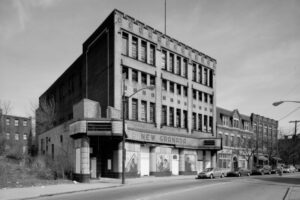 Architect Louis A. S. Bellinger of Pittsburgh, to build the Pythian Temple, a fraternal lodge and commercial building for Black construction workers to enjoy community events, music, and more. Bellinger was working as one of only sixty black architects in the United States in the 1930s. Located at 2007-2013 Centre Avenue, the three-story building designed in a Tudor Revival style was completed in 1928 and became one of the largest and most prominent secular buildings in the Hill District.
Bellinger’s architectural vision for the Temple formed the blueprint for the Temple’s transformation in 1937 when Harry Hendel, a promoter and theater owner, bought the Temple and remodeled it as a commercial theater. After the transformation, the building was known as the New Granada Theater. The first floor became a commercial movie theater while the second floor housed a ballroom with a stage where jazz greats played. Harlem musicians touring from New York City to Chicago would stop at the New Granada theater to play on the second-floor stage. Jazz legends such as Count Basie, Cab Calloway, Ella Fitzgerald, Charlie Parker, Louis Armstrong and Duke Ellington all played at the Theater during its prime.
Through the decades, the Theater’s popularity slowly declined, and it was finally closed in the mid-1970s. During a period of vacancy between its closure and 1990, the interior suffered extensive damage after the roof collapsed. In 1990, Hill CDC purchased the Theater to save it from demolition. Since then, Hill CDC has committed itself to restoring the New Granada Theater to a place of prominence and cultural enrichment in the Hill District.
Revitalization Efforts
A New Era Begins
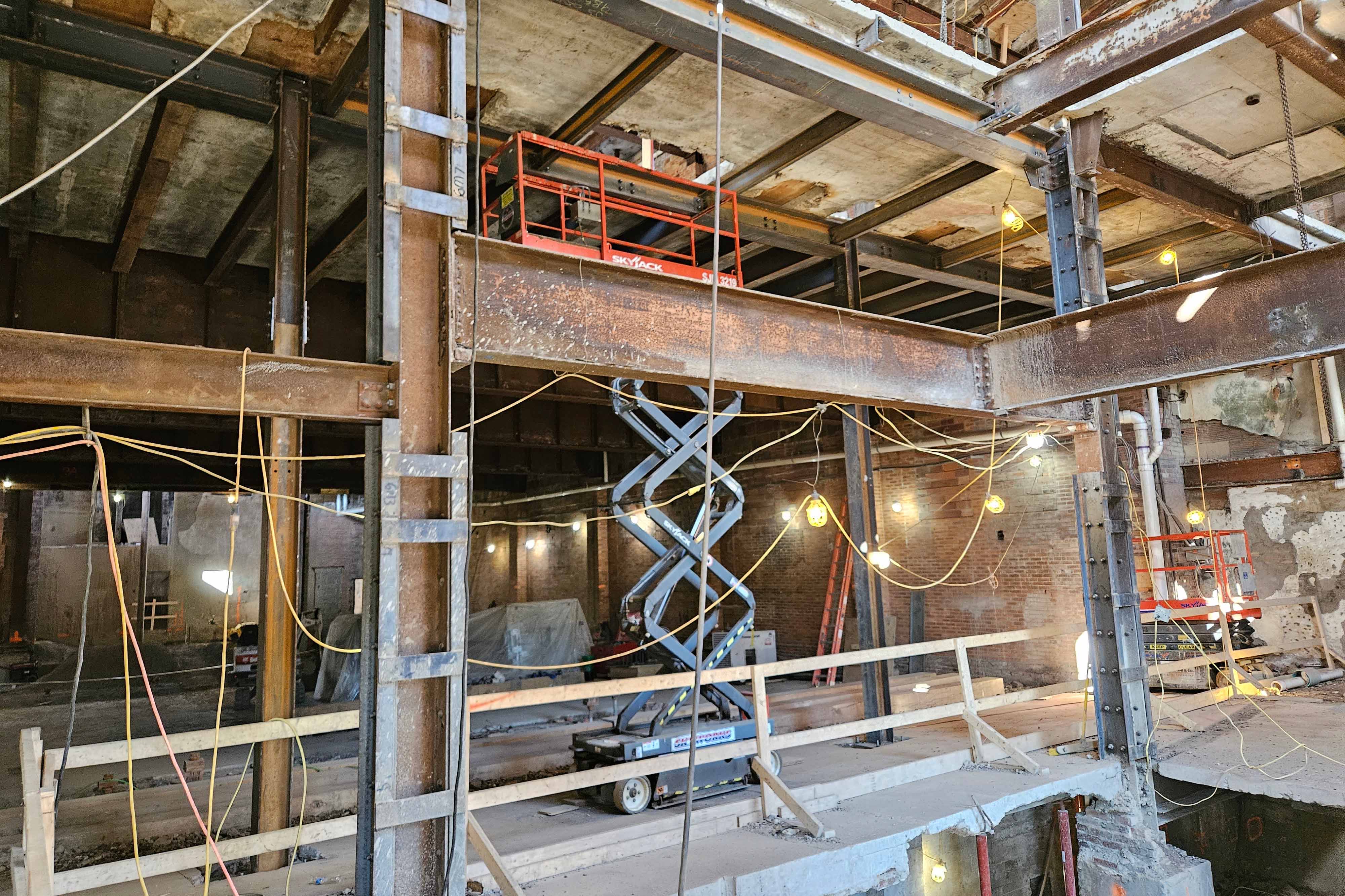
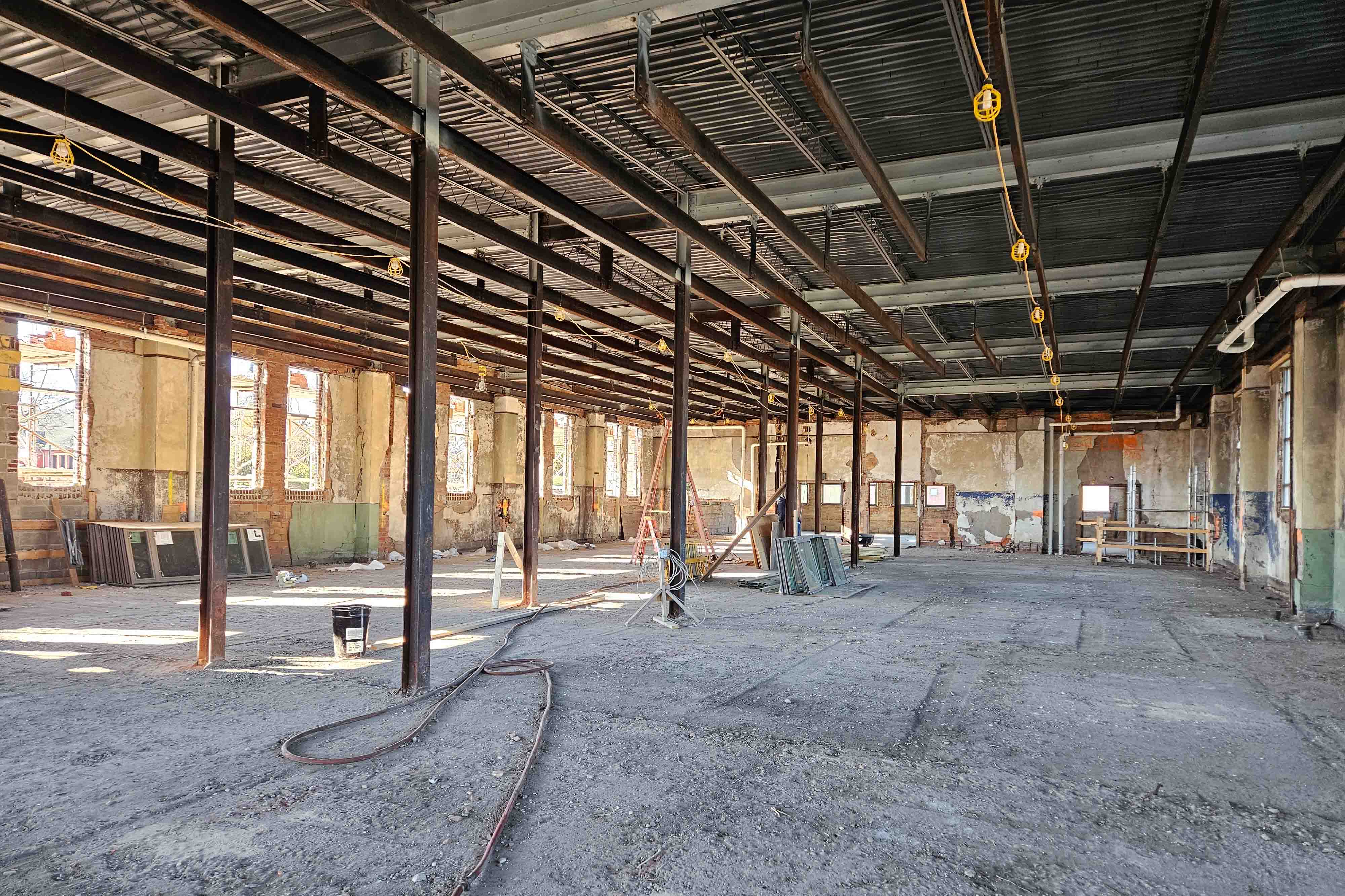
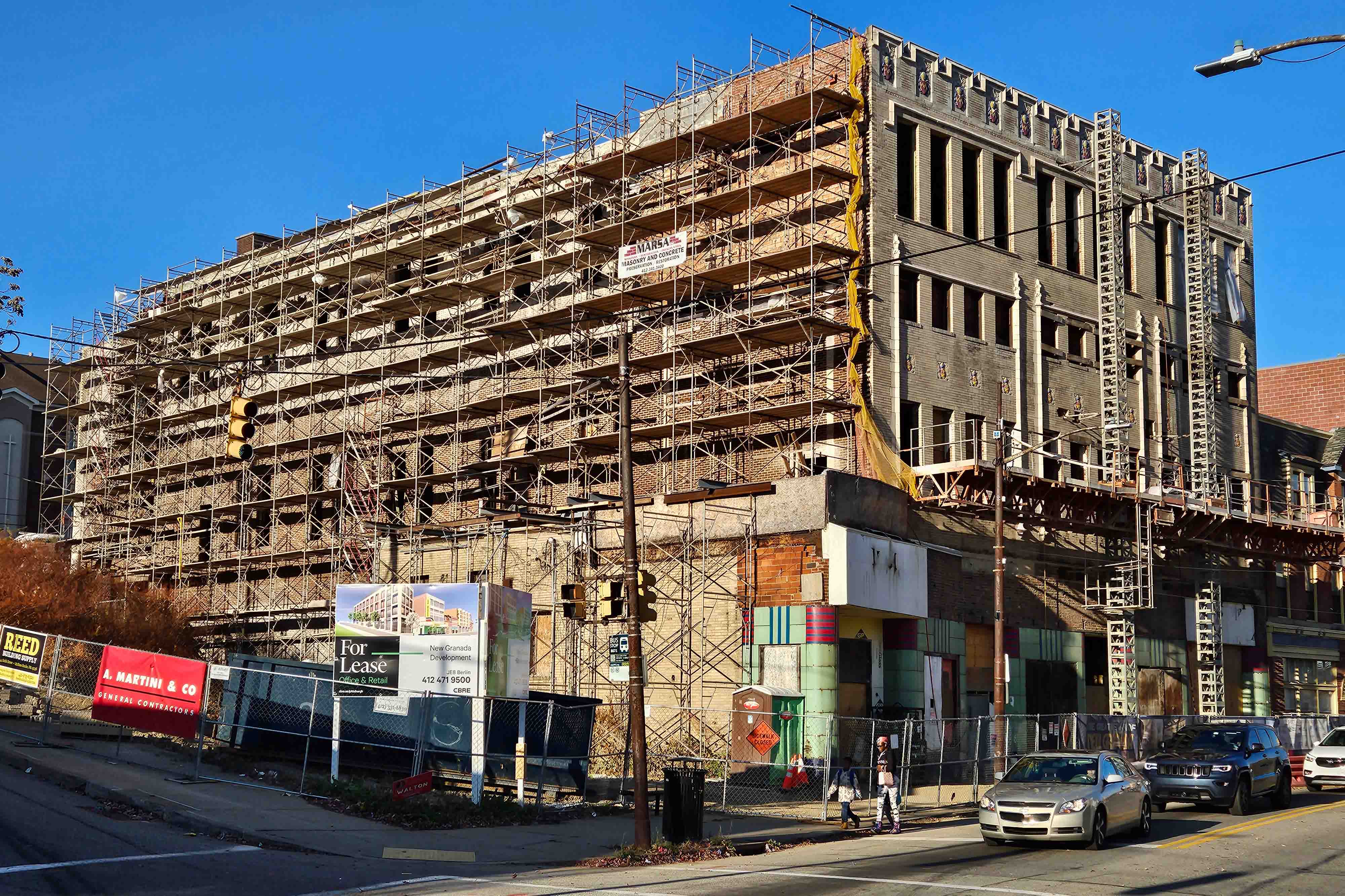
The renovation includes the buildout of a theater, black box studio, and café on the first two floors. Additionally, the renovation will provide a new home for the Hill District Community Engagement Center on the third floor and space for the group to lease the first two floors in preparation for the project’s second phase. The buildout of the third floor includes a Jazz Studies seminar room, “digital inclusion center” rooms, a community engagement center classroom, studios for the Center for African American Poetry and Poetics, a conference room, and supporting offices, restrooms, and storage rooms.
Community Impact
Creation of a Community Center
The relocation of Pitt’s operations to the New Granada site will anchor the project in community service and expand employment opportunities for local residents. The Hill Community Engagement Center already provides a wide range of educational, professional, and health‑related programs, and its move will strengthen its role as a hub for learning and support. Its offerings span mentoring for younger students, college‑readiness initiatives, engineering exposure programs, and hands‑on STEAM activities, all designed to broaden access to academic pathways and future careers.
The center also delivers extensive professional development resources, from administrative training and career sessions to small‑business support and data‑skills instruction. It will continue to host volunteer initiatives that connect students and faculty with neighborhood organizations, fostering deeper community partnerships. The project will additionally house spaces for arts, social work, jazz studies, and digital literacy, ensuring that the new site becomes a multidisciplinary resource for residents of all ages.

Educational Resources
MathUp Connections, Justice Scholars Institute, STEAM Camps, and more

Hill Community Engagement Center
1,143 visitors annually

Professional Development Resources
Administrative Fellowship Program, small business consulting, and more
Volunteer Programs
Pitt School of Medicine home visits, nonprofit consulting, and more

Community Facilities
Classrooms, offices, programming facilities, and more.
NTCIC & Progress
The Expertise That Drove Results
This $28.1 million project was funded through a variety of sources including direct contributions from the University of Pittsburgh, grants and other sources of public funding, $5.3 million from the Hill Community Engagement Center Capital Campaign and Foundation Donors, and New Markets Tax Credit allocations of $5 million from Pittsburgh Urban Initiative, $4 million from PNC, and a $7 million allocation from NTCIC. The renovation was also
supported by NTCIC through an equity investment in the $5.14 million federal Historic Tax Credits generated by the project. NTCIC’s role in the project includes acting as the Federal NMTC Allocatee, Federal NMTC Asset Manager, Federal HTC Investment sourcer, underwriter, and closer, Federal HTC Asset Manager, and Federal HTC Fund Manager.
Connect with Us
Curious About How Historic Tax Credit Investments Drive Real Impact?
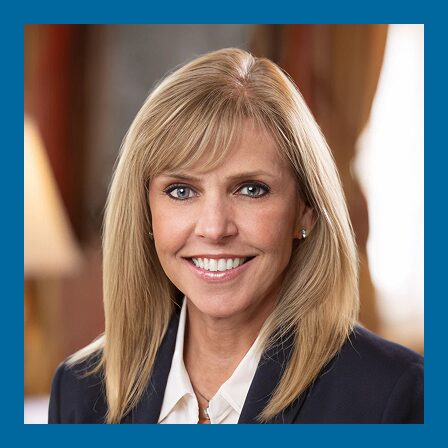
Kandi Jackson leads tax credit investment activities with deep expertise in project finance, equity structuring, and compliance. When you speak with Kandi, expect clarity, honesty, and a clear roadmap for how your next investment can work in your portfolio.
Check Out Similar Projects Here
Browse all projects
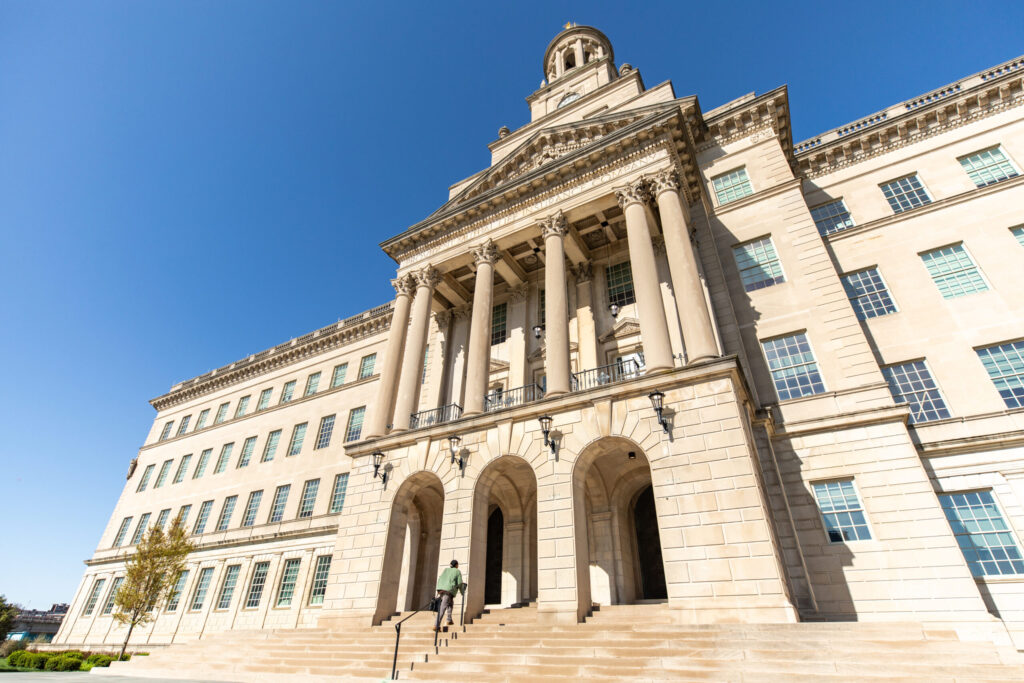
Liberty Theater North Bend, OR
Civil Rights Landmark Gets New Life as a Cultural Beacon
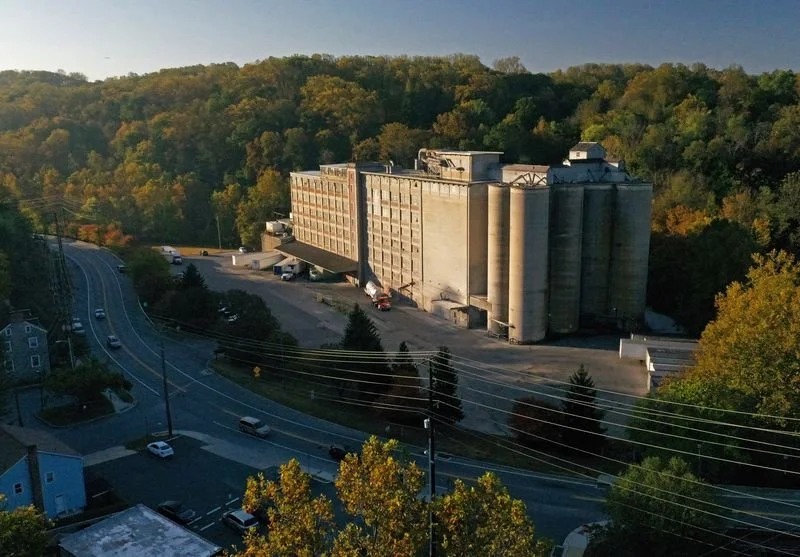
Ellicott Mill | Ellicott City, Maryland
Former school becomes affordable homes and a community anchor
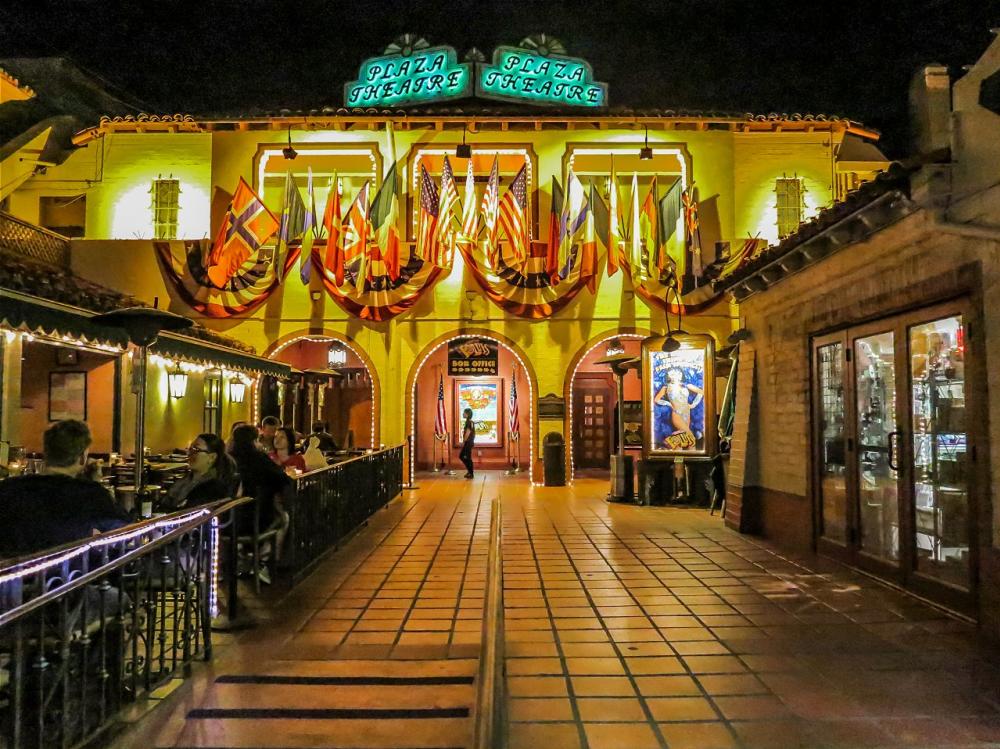
Fells Point Baltimore, MD
Heritage Reborn on the Baltimore Waterfront
Liberty Theater North Bend, OR
Civil Rights Landmark Gets New Life as a Cultural Beacon
Ellicott Mill | Ellicott City, Maryland
Former school becomes affordable homes and a community anchor
Fells Point Baltimore, MD
Heritage Reborn on the Baltimore Waterfront
Want to Discuss Your Next Project? Talk With Our Team Today.
We bring clear insight, deep experience, and strategic focus to every project—whether you're structuring complex capital or shaping long-term, legacy-driven development.