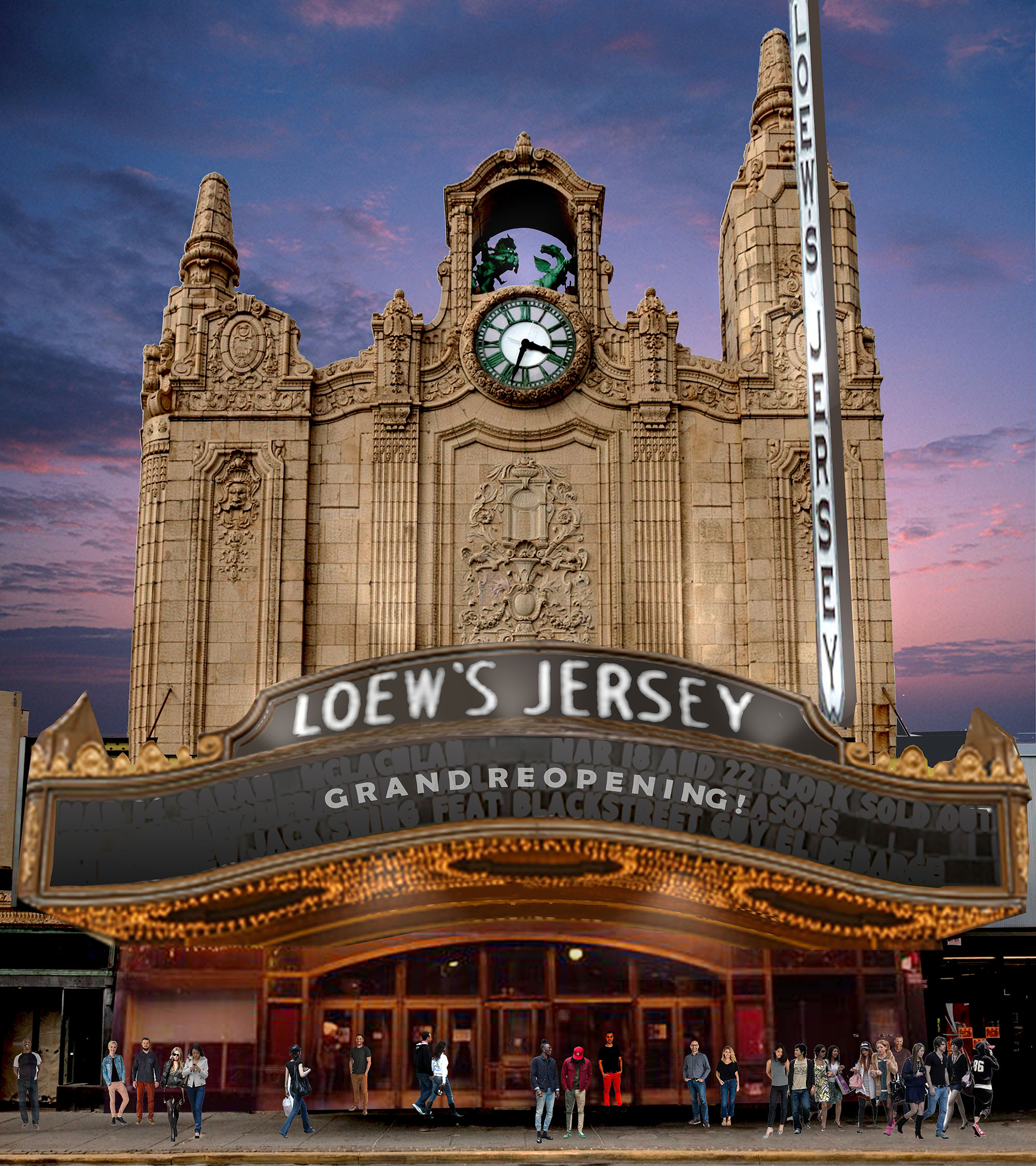


Historic Tax Credits
$19.57 Million
Federal HTCs

Total Project Cost
$130 Million

Project Partner
Loew’s Jersey City Project LLC

Impact
Arts Education, Support, & Access
History
A Loew's "Wonder Theatre"
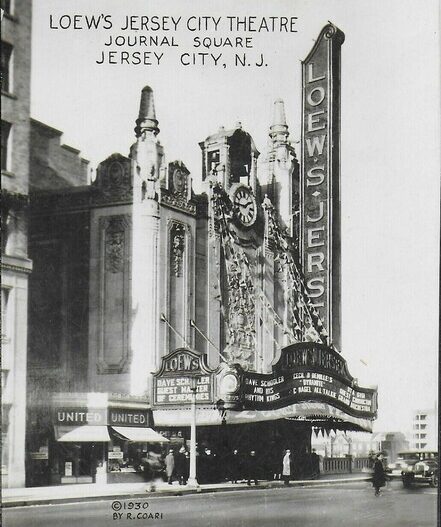
The Loew’s Jersey Theatre opened its doors in 1929 in Jersey City’s Journal Square. It is one of the five “wonder theatres” built in and around New York City, showcasing the grandeur of early 20th-century cinema. The theatre’s historic facade features intricate terracotta and brick elements, while its interior boasts ornate plaster detailing, fabric wall hangings, stone floors, and plaster ceilings. In recognition of its architectural and cultural significance, the Loew’s Jersey Theatre was designated as a New Jersey registered historic site in 2009.
Revitalization Efforts
The Curtain Rises
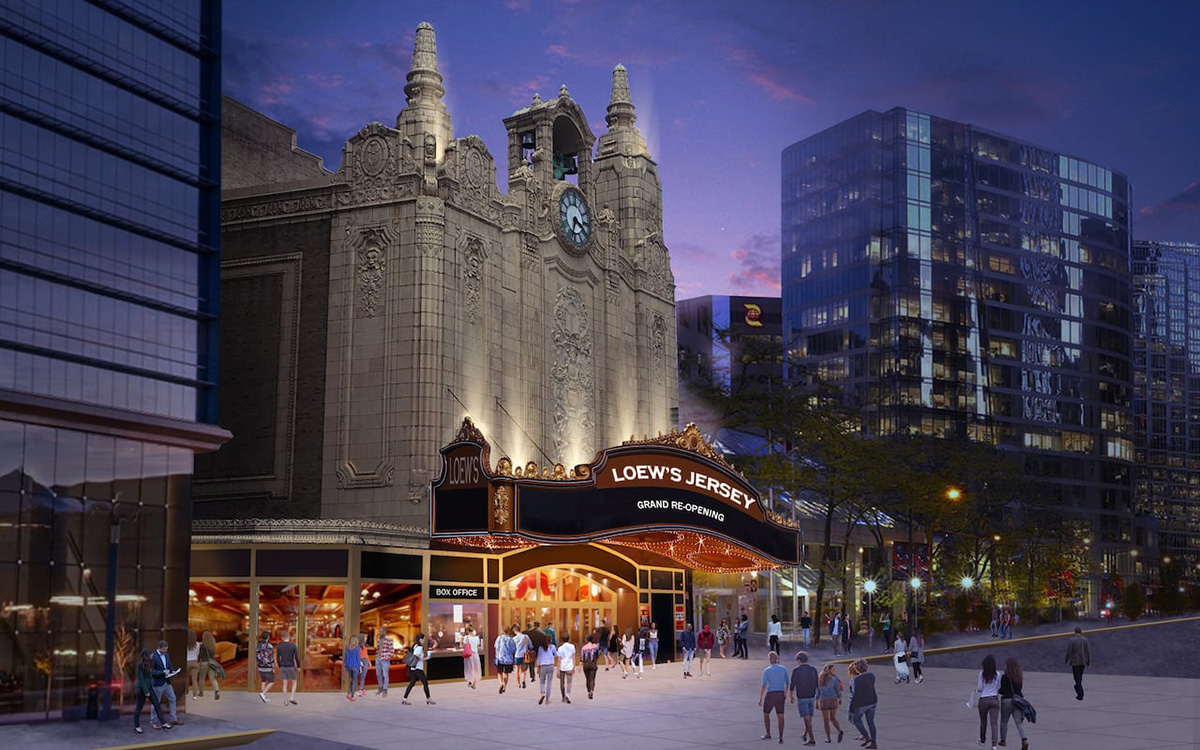
The restoration of Loew’s Theatre involves updating outdated or non-operational MEP systems, installing a new elevator, and implementing a full-coverage sprinkler system and fully automatic fire alarm system. The exterior work includes historic restoration, terracotta repairs, brick repointing, steel repairs, new roof, new LED marquee, and replacing doors and windows. A new construction, two-bay loading dock will be added to allow for quick turnover between shows. While much of the interior work focuses on plaster detailing, painting, and restoring or replacing existing finishes and features, perhaps the biggest change will be remodeling the orchestra level to include removable seating. This renovation is key to realizing the theatre’s vision of hosting events of all different kinds, allowing for a variety of seating arrangements.
Community Impact
Renewal in Journal Square
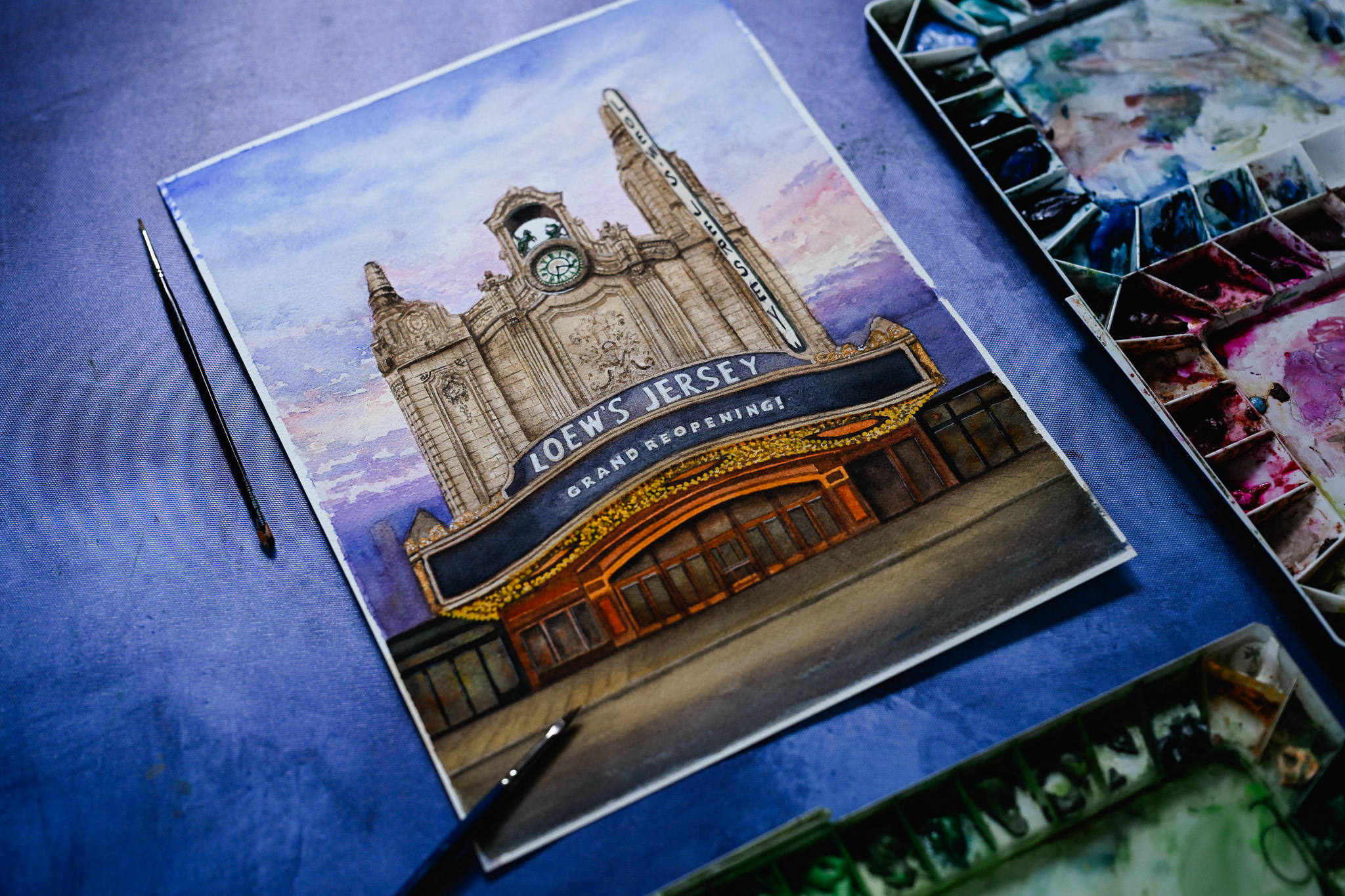
Nestled in the heart of the vibrant Journal Square neighborhood in Jersey City, Loew’s Jersey is poised to return to its former glory as a cultural and economic beacon in one of the nation’s most diverse and densely populated urban centers, boasting 17,000 residents per square mile. Jersey City is currently experiencing a wave of construction and revitalization, with booming residential and commercial developments painting a promising economic picture. That being said, while the city is experiencing promising growth, Loew’s Theatre is located in a severely distressed census tract.
Renovation of the theatre will create local union construction jobs, and when Loew’s is reopens, up to 55 nights per year will be reserved for community-oriented programming. Designed with versatility at its core and hosting more than 160 events annually, the revamped venue will prioritize live concerts, with fully removable orchestra seats allowing for a dynamic range of configurations— from a 4,000-person standing concert crowd, to elegant table setups for private galas, or even an adrenaline-charged MMA ring.
NTCIC & Progress
Project Financing
The $130 million revitalization was supported, in part, by NTCIC through an equity investment in the $19.57 million of federal Historic Tax Credits generated by the project. Jersey City, Hudson County, and the State of New Jersey together are investing more than $100 million in the Project, with the State’s investment coming via the State Historic Tax Credit, known as the Historic Property Reinvestment Program.
Connect with Us
Curious About How Historic Tax Credit Investments Drive Real Impact?
Kandi Jackson leads tax credit investment activities with deep expertise in project finance, equity structuring, and compliance. When you speak with Kandi, expect clarity, honesty, and a clear roadmap for how your next investment can work in your portfolio.

Check Out Similar Projects Here
Browse all projects
Liberty Theater North Bend, OR
Civil Rights Landmark Gets New Life as a Cultural Beacon
Ellicott Mill | Ellicott City, Maryland
Former school becomes affordable homes and a community anchor
Fells Point Baltimore, MD
Heritage Reborn on the Baltimore Waterfront
Liberty Theater North Bend, OR
Civil Rights Landmark Gets New Life as a Cultural Beacon
Ellicott Mill | Ellicott City, Maryland
Former school becomes affordable homes and a community anchor
Fells Point Baltimore, MD
Heritage Reborn on the Baltimore Waterfront
Want to Discuss Your Next Project? Talk With Our Team Today.
We bring clear insight, deep experience, and strategic focus to every project—whether you're structuring complex capital or shaping long-term, legacy-driven development.